Should owners learn bodywork?
5 Reasons Every Horse Owner Should Learn Massage
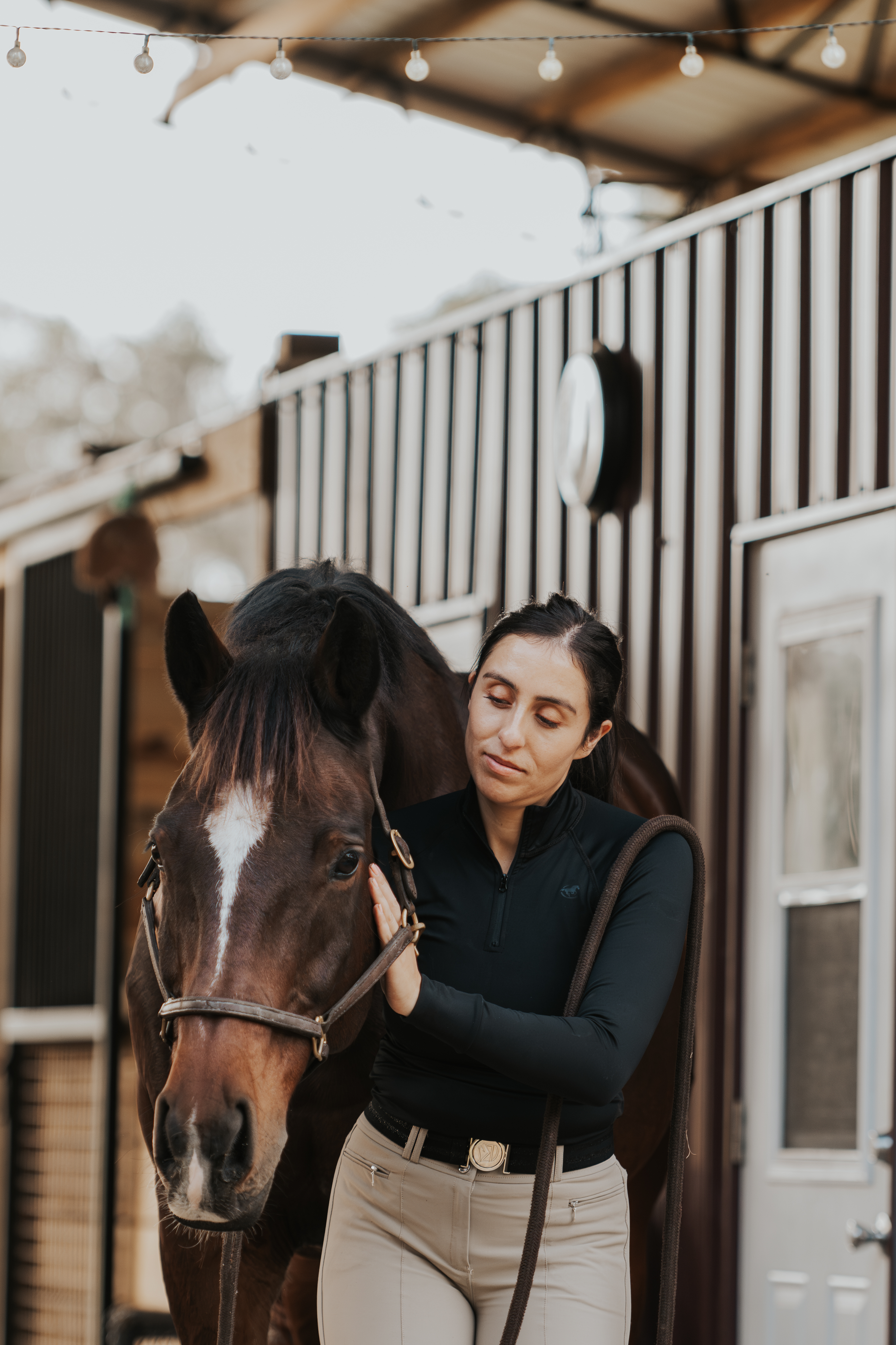
Bodywork is something owners can learn without a certification or a business goal. You just need to learn where to put your hands, and what you're actually feeling for.
I'm Natalie, a second generation equine bodyworker. Bodywork isn't something I picked up later in life, it's something I grew up around. Since then, I've spent 13+ years as a hands on practitioner and over a decade teaching massage certification courses to more than 1,000 professional therapists.
But here's what I've come to believe after all of that: the people who benefit most from these skills aren't just professionals. They're horse owners. Regular people who love their horse and want to actually understand what's happening underneath their own two hands.
If you've ever doubted your horses behavior, wondering if they're in pain, or felt like you're just missing something in your equestrian toolkit, you're ready to start learning.
Here are five reasons I think every horse owner should learn basic massage, whether or not you ever plan to do it professionally.
1. You Catch Problems Early
Most soundness and behavioral issues don't appear overnight (yes, some do!). Usually, they build slowly. Maybe an extra tail swish while jumping or difficulty bending left. A professional bodyworker might see your horse once a month, or once a quarter. You see your horse every day.
Once you know how to feel for tension, guarding, and asymmetry, you become the person most likely to notice something small before it becomes something painful and expensive. That's not a replacement for veterinary care. It's an early warning system that you will now have.
2. You're Always Available
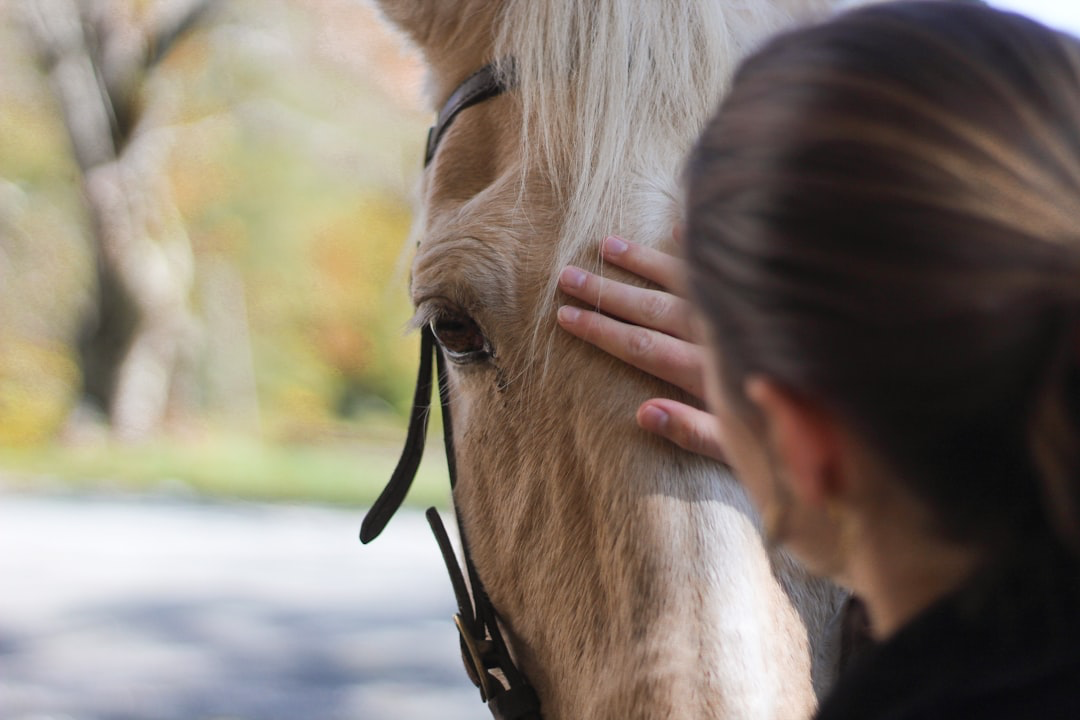
You can't call a bodyworker every time your horse feels a little off. Appointments take time to schedule, and not every issue is significant enough to warrant one. But you can put your hands on your horse today, tomorrow, and the day after that.
Consistency matters more in bodywork than most people realize. A horse that gets a little attention regularly tends to hold their progress better than one who only gets worked on when something's already gone wrong.
3. You Learn Your Horse's Normal
Every horse carries themselves a little differently. What looks like stiffness in one horse might just be conformation in another. The only way to really know the difference is repetition, spending enough time with your hands on your own horse that you develop a baseline for what "normal" actually feels like.
Once you have that baseline, you'll notice the moment something's off, sometimes before it shows up under saddle at all.
4. You Build Trust
This one isn't just about soundness. Horses that get consistent, intentional touch from their owner tend to relax into it in a way that's genuinely different from how they respond to a stranger's hands, however skilled.
Over time, this becomes something your horse looks forward to. That shift, from tolerance to trust, changes the relationship, not just the muscle.
5. You Become The First Line Of Defense
Between vet visits and bodywork appointments, there's a lot of time where nobody but you is paying close attention to your horse's body. You're the one who's actually there, day in and day out.
Learning basic massage doesn't make you a replacement for your veterinarian or professional bodyworker. It makes you a better partner to both of them, someone who can describe what you're feeling with real specificity, and someone who can help maintain progress between their visits instead of losing ground.
Where To Start
If any of this resonates, you don't need to figure it out alone or piece it together from scattered videos online. I've organized step by step courses and videos to help you learn full body techniques from the ground up.
You don't have to be a professional to help your horse. You just need someone to show you clearly what to do!